


We’re excited to announce that Zach Scarano has been appointed President and Chief Executive Officer of Noraxon, effective October 1, 2026. Zach succeeds Mikko Niskanen, who has served as CEO since 2017. Mikko will continue with Noraxon as a member of the Board of Directors and will serve as Senior Advisor through the fourth
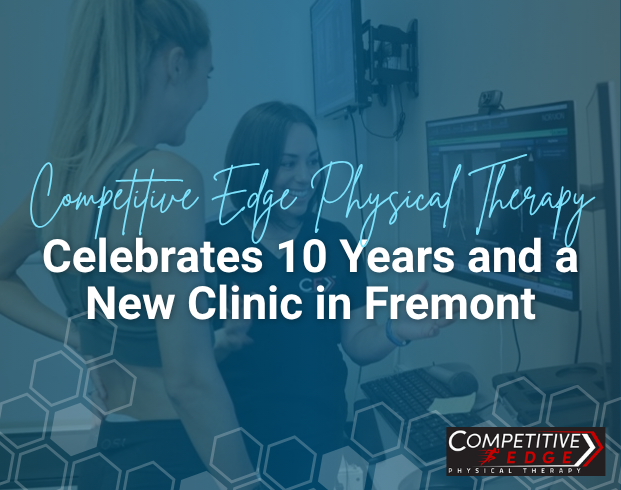
For Competitive Edge Physical Therapy, opening a new clinic is about more than adding another location. It's an opportunity to expand a model of care the practice has spent 10 years building around a simple idea: give clinicians the time, technology, and objective information they need to understand how a person moves. With existing

Competitive Edge has built its practice around highly personalized, one-on-one physical therapy. Rather than allowing insurance requirements or appointment volume to dictate the patient experience, the practice operates with an out-of-network, cash-pay approach that gives its doctors of physical therapy the flexibility to spend a full 60 minutes, one-on-one, with the individual in front
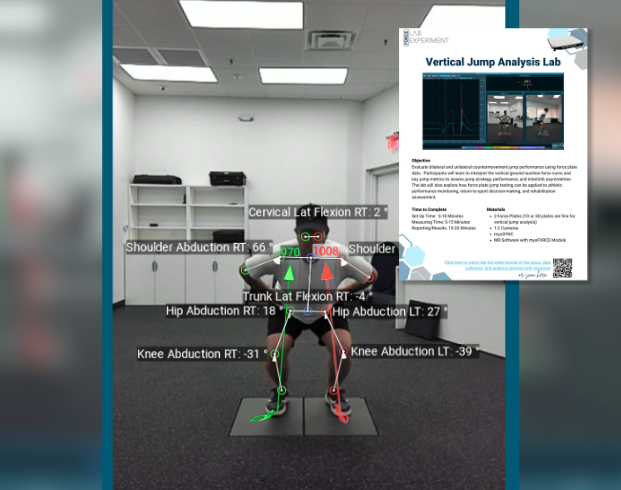
Vertical Jump Analysis In this lab, students will use force plates to evaluate bilateral and unilateral countermovement jump performance. Students will examine the vertical ground reaction force curve and key jump metrics to better understand jump strategy, performance, and interlimb asymmetries. Why Analyze Jump Performance? Jump height tells
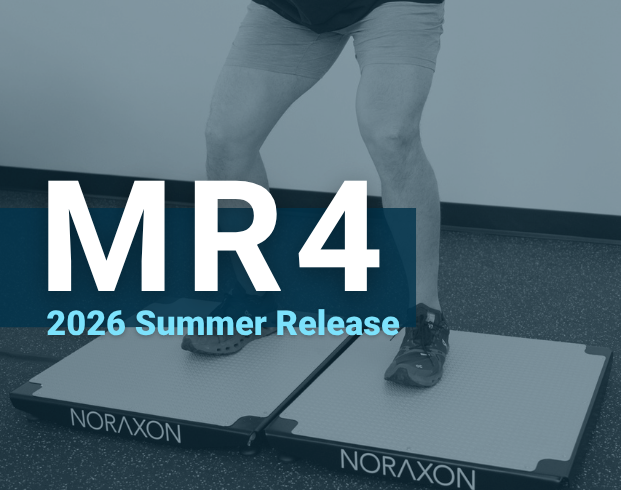
The MR4 2026 Summer Release introduces two major additions: the new Powers Return to Sport Assessment and the launch of the Vector 1D Force Plate. Broader connectivity and practical workflow improvements further expand how clinicians, sports performance professionals, and researchers can capture, analyze, and communicate human movement data. Download the MR4 Summer Release
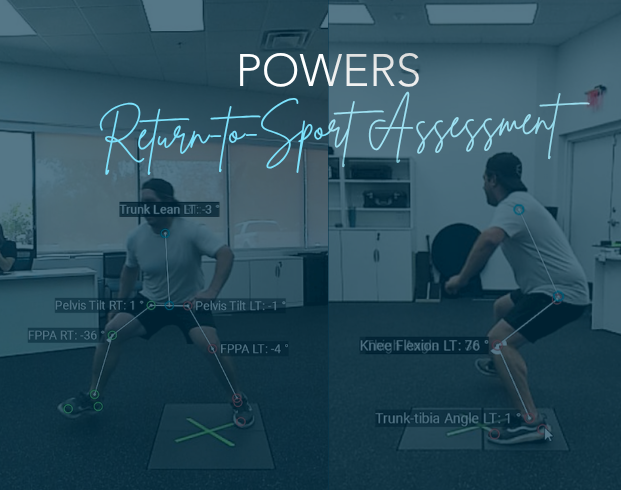
Developed in partnership with Dr. Chris Powers, the Powers Return-to-Sport Assessment add-on provides users with a user-friendly method for analyzing movement quality, using peer-reviewed research by Straub and Powers (2025). Explore the Research About Dr. Chris Powers Dr. Chris Powers, the founder of the Movement Performance Institute, is a leading expert

Our internship is a flexible, hands-on role that puts students in the field with our engineering experts and in the midst of helping us create and test solutions to our customers’ needs. This summer, we are excited to have Emma Fortuna and Braden Noll on board as part of our summer internship program.
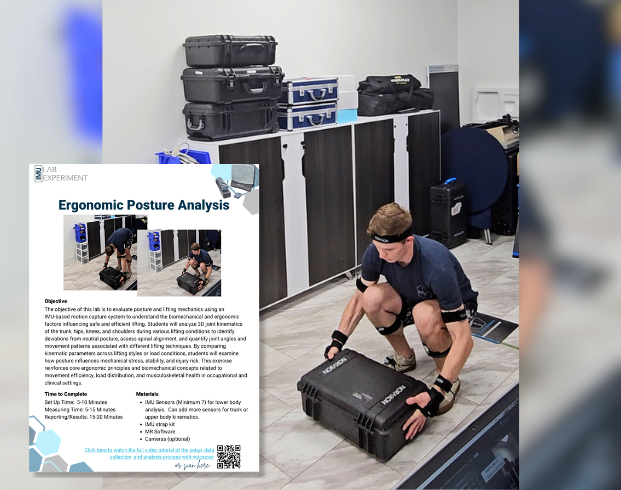
Functional Symmetry In this lab, students will use an IMU-based motion capture system to evaluate posture and lifting mechanics during selected lifting tasks. Students can compare different lifting styles or load conditions to examine how movement strategies change under varying demands. Why Analyze Ergonomic Posture? Analyzing ergonomic posture

At Louisiana State University, undergraduate students are gaining firsthand research experience by using Noraxon technology to study one of the most important topics in human performance: fatigue. Led by Dr. Xavier Thompson, Assistant Professor of Sports Science in the School of Kinesiology, students are participating in an ongoing research project examining how individuals respond
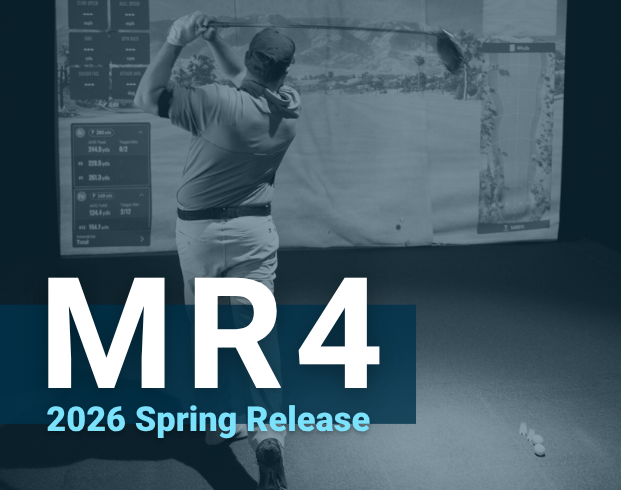
The Spring 2026 Release introduces new analysis tools, expanded motion capture integrations, and workflow enhancements across MR4. This update adds application-specific capabilities such as 4-sensor golf swing analysis, expanded horizontal jump and cutting assessments, and MANUS glove integration for detailed hand and finger motion capture. Beginning with this release, MR4 version numbers will
Blogken