

Competitive Edge has built its practice around highly personalized, one-on-one physical therapy. Rather than allowing insurance requirements or appointment volume to dictate the patient experience, the practice operates with an out-of-network, cash-pay approach that gives its doctors of physical therapy the flexibility to spend a full 60 minutes, one-on-one, with the individual in front of them.
A Cash-Pay Model Built Around Value
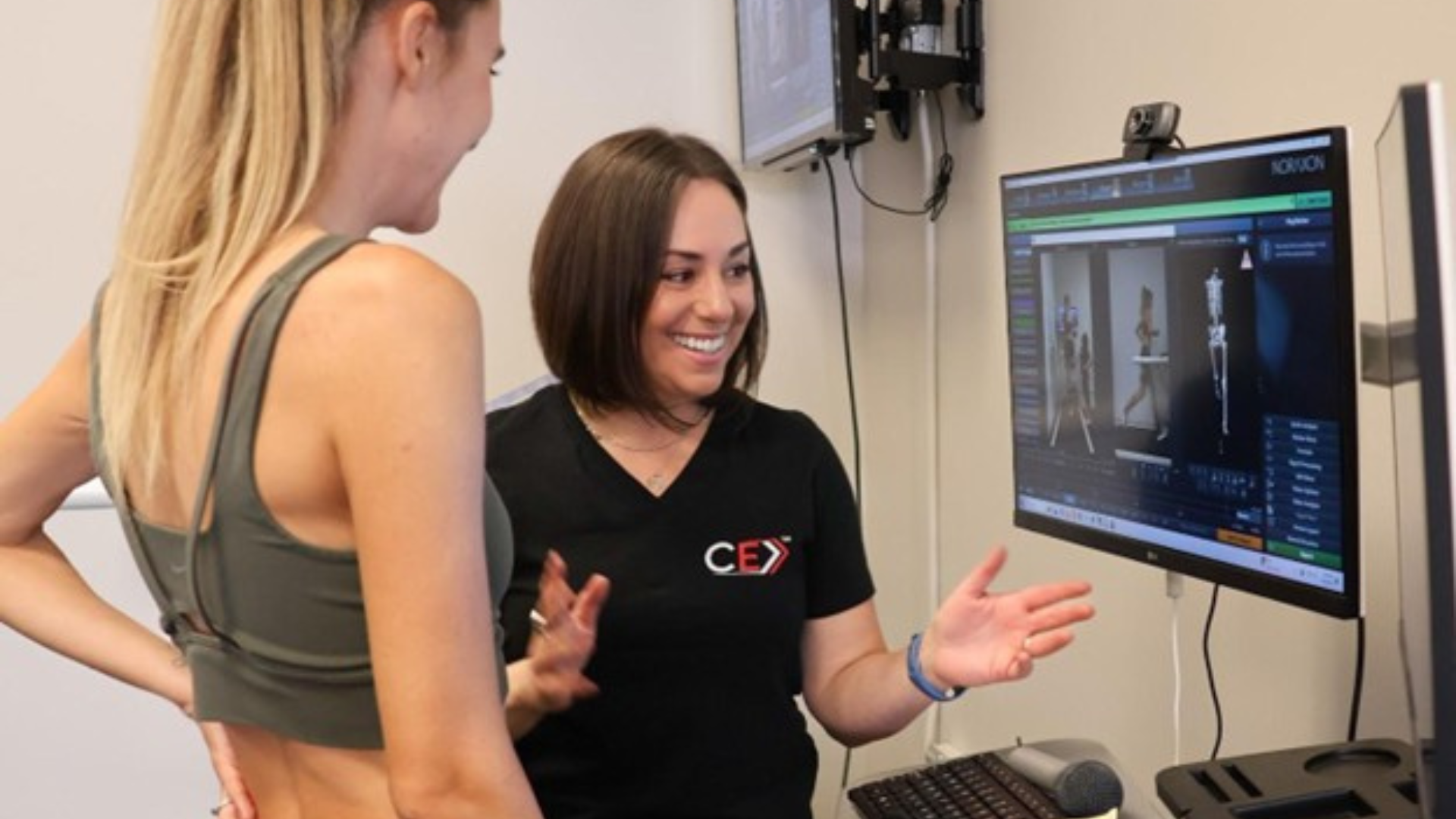
With a direct-pay, out-of-network model, the relationship becomes much more directly centered on the patient, clinician, and outcome. Rather than designing the experience around what an insurance plan will reimburse, the clinic can design it around what the clinician believes will provide value to the person in front of them.
That creates an important shift: the question moves from “What will insurance pay for?” to “What does this person need to reach their goal?”
In a cash-pay model, patients invest directly in their care, making personalized attention and measurable progress even more important, which is part of why Competitive Edge backs its programs with package discounts and a money-back satisfaction guarantee.
Making Progress Visible
A major part of that experience is data.
Traditional physical therapy often relies heavily on clinical observation, patient-reported symptoms, and standardized assessments. Those tools remain important, but Competitive Edge believes clinicians can go further.
Instead of simply asking, “Does it feel better?” clinicians can also ask:
- Are movement mechanics changing?
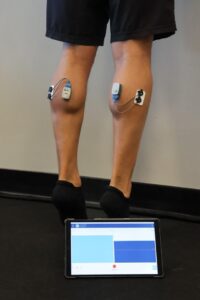
- Are the right muscles activating?
- Is force production improving?
- Are asymmetries decreasing?
- Is the client objectively getting closer to the demands of their sport or activity?
That additional layer of information can help turn rehabilitation into something patients can both feel and see.
Instead of saying, “I think you’re getting stronger,” the clinician can help demonstrate where progress is happening and what still needs attention.
As Kevin, one of Competitive Edge’s clinicians, puts it: “A runner can feel better and still be moving in the same pattern that injured them. We can show them what changed and what didn’t. That is what our clients are paying for.”
Care Built Around the Patient’s Goals
Competitive Edge combines one-on-one care with Noraxon technology to objectively measure movement and demonstrate progress over time. The result: care built around the patient’s goals, backed by data they can see.